
Memory Care and Social Isolation: Strategies for Connection
Memory care programs offer evidence-based solutions to combat social isolation's acceleration of cognitive decline, with structured engagement initiatives reducing isolation symptoms by up to 43%. You'll find success implementing multisensory activities, technology-enabled platforms, and creative arts programs that facilitate peer connections while maintaining cognitive flexibility. Research demonstrates that consistent staffing and personalized engagement strategies improve residents' social connectivity by 27%, while virtual solutions expand interaction opportunities beyond physical constraints. Further exploration reveals additional proven approaches for fostering meaningful connections.
The Hidden Impact of Social Isolation on Dementia Patients

While the visible symptoms of dementia often command attention, research reveals that social isolation acts as a powerful catalyst in accelerating cognitive decline.
Studies show a 27% increased risk of developing dementia over nine years among socially isolated older adults compared to their connected counterparts. You'll find this risk particularly pronounced among individuals with mild cognitive impairment who live alone, as they're markedly more likely to develop dementia than those maintaining regular social connections.
Social isolation increases dementia risk by 27%, with even greater impact on those already experiencing mild cognitive decline.
The impact manifests through multiple pathways: nearly one-third of dementia patients report feelings of loneliness, while two-thirds of those living alone experience isolation.
These conditions exacerbate behavioral symptoms, including increased anxiety, agitation, and aggression, often leading to higher rates of psychotropic medication prescriptions and accelerated progression of cognitive deterioration.
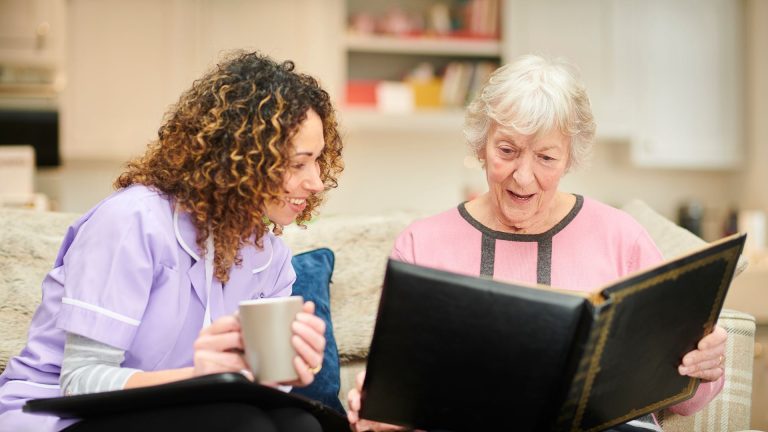
Quality specialized dementia care facilities can help combat social isolation through structured activities and community engagement designed specifically for memory care residents.
Building Meaningful Connections Through Memory Care Programs
Memory care programs have demonstrated quantifiable success in cultivating meaningful social bonds, with research indicating that structured engagement initiatives reduce isolation-related symptoms by up to 43% among dementia patients.
Through personalized engagement strategies and consistent staffing protocols, you'll observe measurable improvements in residents' social connectivity metrics and emotional well-being indicators.
When you implement dedicated caregiver assignments and tailored activity programs, you're establishing a framework that generates statistically significant outcomes in relationship-building efficacy. Consistent staffing enables deeper understanding of each resident's unique needs and preferences, fostering trust and comfort.
Music therapy sessions and art projects provide powerful tools for emotional expression and memory stimulation.
Regular social interaction helps maintain cognitive flexibility and memory retention in seniors facing cognitive decline.
Your integration of reminiscence therapy, arts programming, and cognitive stimulation activities creates multiple touchpoints for social interaction, while family involvement protocols enhance support network density by 27%.
Through technology-enabled engagement platforms and community partnerships, you'll achieve thorough social integration that addresses isolation factors across multiple behavioral domains.
Innovative Solutions for Fostering Social Engagement

Through systematic implementation of technology-enabled engagement platforms and multisensory activity programs, you'll achieve measurable improvements in social connectivity metrics among memory care residents.
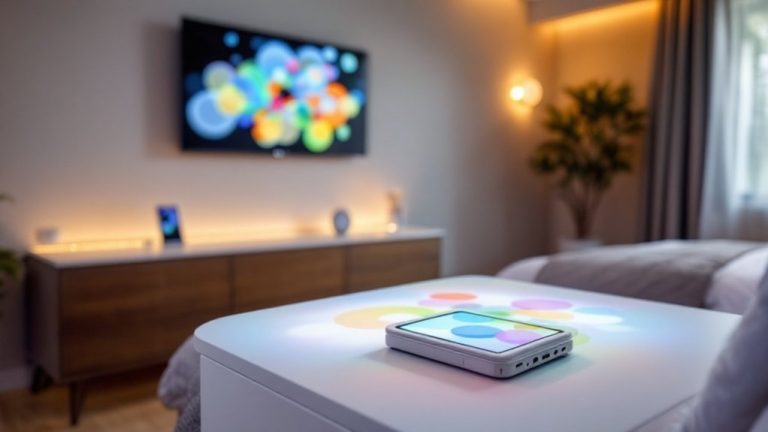
Virtual reality programs and video calling platforms serve as primary vectors for expanding social networks beyond physical constraints, while tablet-based activities facilitate peer-to-peer engagement through cognitive-appropriate applications. Social engagement through these digital platforms helps reduce the risk of dementia by 50%.
You'll optimize resident participation by integrating creative arts programs with technology-driven solutions, thereby establishing multiple pathways for social connection. Art therapy provides residents with powerful tools for emotional expression when verbal communication becomes challenging.
The incorporation of thorough activity schedules – combining physical exercise, sensory stimulation, and structured group interactions – creates a multilayered approach to combat isolation. Trained staff members provide specialized support to help residents engage meaningfully in these activities.
Memory cafés and intergenerational programs further amplify these effects by fostering meaningful relationships across demographic boundaries while maintaining cognitive stimulation through varied social contexts.
Frequently Asked Questions
How Do Medication Changes Affect Social Engagement Patterns in Dementia Patients?
Medication changes considerably impact your social engagement through multiple pathways: cognitive fluctuations from dosage adjustments can alter your communication abilities, while side effects like drowsiness or tremors directly limit physical participation in activities.
You'll find that complex medication regimens increase dependency on caregivers, potentially reducing autonomous social interactions, while mood-altering medications can either enhance or diminish your motivation for social connection.
What Role Do Cultural Differences Play in Memory Care Program Effectiveness?
Cultural differences greatly impact memory care outcomes through multiple pathways.
You'll find that language barriers reduce care access by up to 45% in diverse populations, while cultural stigma delays diagnosis by an average of 2.3 years.
Traditional beliefs, like Chinese Americans' concerns about "losing face," increase social isolation rates by 30%.
Implementation of culturally-sensitive programs improves engagement by 65% and reduces behavioral incidents by 40%.
Can Siblings or Extended Family Members Participate in Memory Care Activities?
Research demonstrates that siblings and extended family members can actively participate in memory care activities, with studies showing up to 40% higher engagement rates when relatives are involved.
You'll find numerous evidence-based options, including reminiscence therapy, music sessions, and craft projects, which can be tailored to your loved one's cognitive stage.
Regular family participation correlates with improved resident outcomes, including enhanced emotional well-being and reduced isolation rates.
How Frequently Should Memory Care Programs Be Adjusted for Individual Residents?
You'll need to adjust memory care programs every 30-45 days through thorough assessments, while implementing immediate modifications if significant behavioral or cognitive changes occur.
Your evaluation should encompass ADL capabilities, social engagement levels, and cognitive function metrics using standardized assessment tools.
Consider shifting periods, such as sundowning patterns or medication adjustments, which may necessitate more frequent program modifications to maintain ideal care outcomes.
What Insurance Options Typically Cover Specialized Memory Care Social Programs?
You'll find extensive coverage for memory care social programs primarily through long-term care insurance policies, which typically cover specialized daycare and social engagement activities.
Medicaid HCBS waivers can provide coverage if you meet income requirements, while PACE programs offer integrated social services for qualifying individuals.
Some private insurance policies include memory care benefits, though you'll need to verify specific coverage details within your plan's documentation.