

The Role of Nutrition in Memory Care: Healthy Eating for Seniors
Your cognitive health directly correlates with strategic nutritional choices, as evidenced by research showing up to 53% reduced dementia risk through consistent consumption of leafy greens. While your brain comprises 2% of body weight, it requires 20% of daily calories, demanding nutrient-dense foods rich in omega-3s, antioxidants, and choline. Implementation of MIND diet principles, combined with regular intake of fermented foods and proper hydration, establishes foundational elements for enhanced memory preservation and neural function optimization.
Brain-Nurturing Foods for Optimal Memory Function

While the human brain represents only 2% of total body weight, it consumes approximately 20% of daily caloric intake, necessitating specific nutrient combinations for peak cognitive function.
You'll enhance your cognitive performance by incorporating omega-3 rich fatty fish, particularly salmon and mackerel, which support neural membrane integrity and synaptic plasticity. Proper nutrition helps manage cognitive decline in memory-affected individuals.
Your memory function will benefit from strategically combining antioxidant-rich foods, such as blueberries and dark leafy greens, with protein sources that provide essential amino acids for neurotransmitter synthesis.
To maintain top cognitive wellness, you'll need to prioritize foods containing choline, like eggs, alongside vitamin E-rich nuts and seeds that protect against neuronal oxidative stress.
Complex carbohydrates from whole grains will provide your brain with sustained glucose delivery, essential for maintaining attention and memory consolidation.
Dark chocolate's powerful antioxidant compounds help protect brain cells from free radical damage while supporting learning and memory functions.
Simple Dietary Changes That Support Cognitive Health
Because cognitive decline can be markedly influenced by dietary choices, implementing strategic nutritional modifications presents a scientifically-validated approach to enhancing brain function.
Strategic dietary choices can significantly impact brain health, making evidence-based nutrition changes essential for optimizing cognitive performance.
Nutrient absorption challenges commonly affect seniors, making mindful meal planning essential for optimal cognitive benefits.
You'll enhance cognitive performance by incorporating omega-3 rich fatty fish, antioxidant-dense berries, and leafy greens into your daily nutrition protocol.
The integration of Mediterranean, DASH, and MIND dietary patterns offers extensive neuroprotection through their emphasis on whole foods and healthy fats.
Expert-led cooking demonstrations at Pegasus Senior Living help seniors master brain-healthy meal preparation techniques.
You'll achieve superior results by reducing processed food consumption while increasing intake of prebiotic-rich foods that support the gut-brain axis.
Your cognitive function benefits directly from fermented foods' probiotic properties, while adequate hydration maintains peak neural transmission.
Through consistent implementation of these evidence-based dietary modifications, you'll establish a foundation for sustained cognitive health and memory preservation.
Building a Sustainable Memory Care Diet Plan
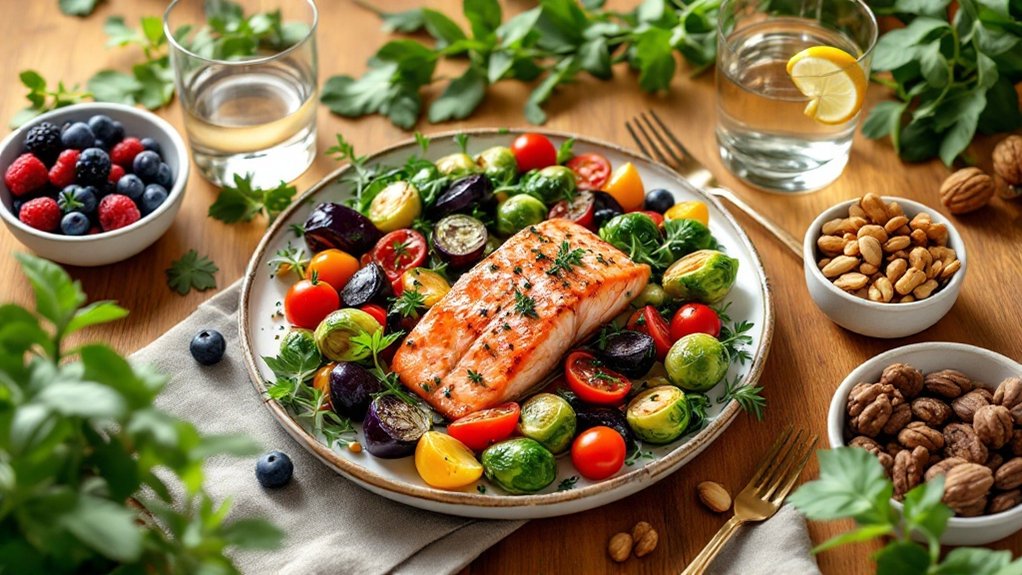
To establish an evidence-based memory care diet plan that delivers sustainable cognitive benefits, you'll need to implement a structured nutritional framework incorporating elements from the MIND, Mediterranean, and plant-based dietary protocols. Fresh ingredients and quality meal preparation by professional chefs can significantly enhance nutritional outcomes.
You'll achieve ideal results by integrating weekly meal planning with specific nutrient targets, including omega-3 rich fish consumption once per week and daily portions of nuts, seeds, and antioxidant-rich berries.
Your implementation strategy should prioritize regular consumption of leafy greens, which can reduce dementia risk by up to 53%, while maintaining adequate hydration and incorporating prebiotics for gut health support.
Research shows that higher MIND scores correlate with slower rates of cognitive decline in older adults over time.
You'll need to modify portion sizes and preparation methods based on cognitive function levels, potentially utilizing pre-prepared components or simplified recipes to guarantee consistent nutritional intake and long-term dietary adherence.
Frequently Asked Questions
How Quickly Can Dietary Changes Improve Memory and Cognitive Function?
You'll notice short-term cognitive improvements within weeks to months after implementing dietary changes, particularly in focus and mental clarity through antioxidant-rich foods and omega-3 fatty acids.
However, significant memory enhancement typically requires 6-12 months of consistent adherence to brain-healthy diets like MIND or Mediterranean, with long-term benefits manifesting over years of sustained dietary practices.
Can Supplements Replace a Brain-Healthy Diet for Seniors With Eating Difficulties?
While supplements can provide targeted nutritional support, they can't fully replicate the synergistic benefits of whole foods in your diet.
Research indicates that nutrients from food sources demonstrate 20-30% higher bioavailability compared to synthetic alternatives.
For seniors with eating difficulties, you'll achieve peak cognitive support through a combined approach: carefully selected supplements alongside modified whole-food options that accommodate swallowing or chewing limitations.
Does Meal Timing Affect Cognitive Performance in Elderly Individuals?
Research demonstrates that your meal timing considerably impacts cognitive performance during aging.
You'll experience enhanced cognitive function with three balanced daily meals compared to irregular patterns, while breakfast skipping accelerates cognitive decline.
Studies indicate that higher meal frequency (5-6 meals daily) correlates with improved memory and executive function scores, particularly when you maintain consistent eating schedules and include a later evening meal for enhanced language processing abilities.
Are There Specific Foods That Should Be Avoided When Taking Memory Medications?
You'll need to consult your healthcare provider about specific food interactions with your memory medications, as certain combinations can reduce drug effectiveness.
Avoid grapefruit and grapefruit juice with cholinesterase inhibitors, as they can interfere with medication metabolism.
Additionally, limit caffeine intake with memantine or donepezil, and minimize alcohol consumption, which can intensify medication side effects and impair cognitive function.
How Does Dehydration Specifically Impact Memory and Cognition in Seniors?
Dehydration markedly disrupts your cognitive functions by reducing cerebral blood flow up to 40%, directly impairing memory formation and recall.
As you age, your brain's water content, normally 80%, becomes vulnerable to deficits that affect neurotransmitter function and cellular metabolism.
You'll experience decreased attention spans, slower reaction times, and compromised short-term memory, with research showing more pronounced effects in women compared to men during periods of dehydration.