Creating a Sense of Home in Memory Care Communities
Creating a homelike environment in memory care communities requires integrating evidence-based design elements with personalized touches. You'll optimize resident comfort through household models of 10-14 people, non-slip flooring, and abundant natural lighting while incorporating cherished belongings and photographs to trigger positive memories. Strategic color-coding and landmarks enhance navigation, while structured activities like communal dining foster social connections. Trained staff provide constant supervision within a respectful atmosphere. Further exploration reveals additional dimensions of this thorough approach.
Design Elements That Foster Comfort and Security

When designing memory care communities, the integration of thoughtfully curated environmental elements plays a pivotal role in fostering resident comfort and security through evidence-based architectural approaches.
You'll find that implementing familiar household models with group sizes of 10-14 residents creates an intimate, family-like atmosphere while incorporating strategic visual landmarks and color-coded zones enhances spatial recognition and autonomous navigation.
To maximize safety without compromising independence, you'll need to integrate secure access points with disguised barriers through thoughtful landscaping, while non-slip flooring with minimal contrast patterns reduces fall risks. Abundant natural lighting helps regulate sleep patterns and minimize agitation in residents. Trained staff members provide constant supervision to ensure resident safety while maintaining a respectful, homelike environment.
The incorporation of contrasting hardware on essential fixtures, combined with strategically positioned storage areas, optimizes both resident autonomy and staff efficiency, creating an environment that seamlessly balances security with a homelike atmosphere.
Utilizing warm color tones throughout common spaces and living areas helps create an energetic, welcoming environment that positively influences residents' emotional responses and overall sense of well-being.
Personal Touches That Transform Spaces Into Sanctuaries
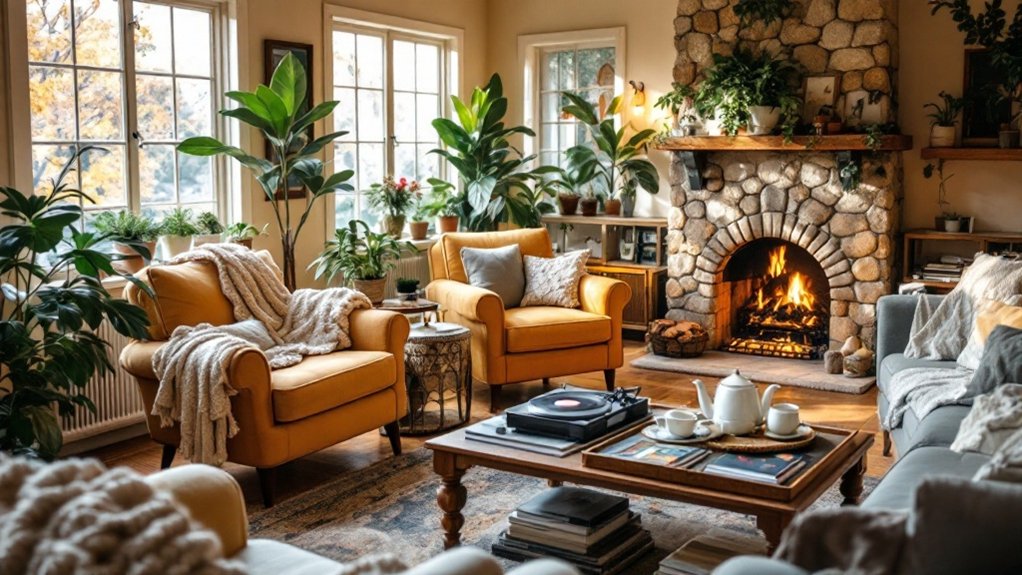
Through strategic personalization of living spaces and care routines, memory care communities can transform institutional environments into intimate sanctuaries that reflect residents' unique identities and histories.
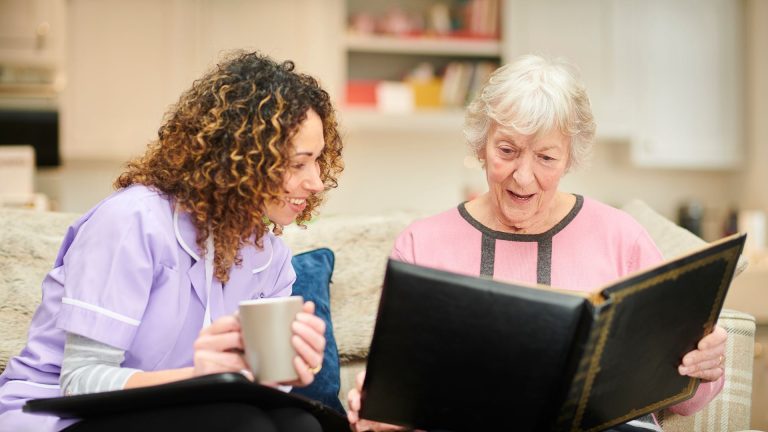
Regular engagement in community activities helps residents build meaningful connections while adjusting to their new environment. By incorporating residents' cherished belongings, family photographs, and familiar furniture pieces, you'll establish environments that trigger positive memory associations and enhance cognitive engagement. Personalized care plans enable staff to deliver individualized attention that honors each resident's specific needs. The integration of personalized elements extends beyond physical spaces into extensive care plans that account for individual medical histories, cultural backgrounds, and progression of memory loss.
Trained caregivers provide round-the-clock supervision to ensure safety while maintaining resident dignity.
You'll find that maintaining consistency in caregivers and daily routines, while incorporating residents' preferred activities and musical selections, creates an environment where personal stories become foundational elements of care delivery.
This systematic approach to personalization yields measurable improvements in resident engagement, emotional well-being, and overall quality of life within memory care settings.
Building Community Through Shared Experiences and Activities

Five core elements of community-building emerge as essential drivers of engagement in memory care settings: structured group activities, physical wellness programs, creative expression outlets, adaptive technologies, and intentional social bonding opportunities.
You'll find that implementing these components creates a thorough framework for fostering meaningful connections among residents.
Through the integration of multifaceted programming, you're able to address varying cognitive and physical capabilities while maintaining social engagement.
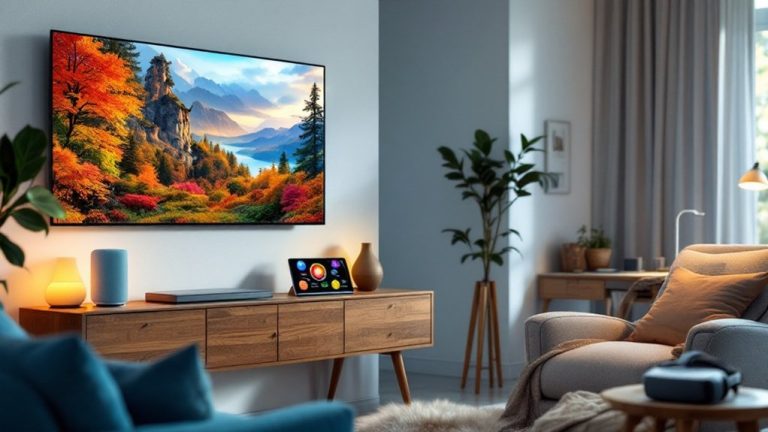
Group activities like communal dining and storytelling circles serve as foundational platforms for relationship building, while adaptive technologies, including VR experiences, provide innovative ways to stimulate memories and cognitive function.
Art therapy sessions help prompt memories of past experiences while encouraging self-expression through various mediums.
The implementation of creative therapies, combined with physical activities such as chair yoga and aquatic exercises, guarantees a holistic approach to community development within memory care environments. Regular engagement in these activities promotes long-term mood improvements and reduces anxiety levels among residents.
Music therapy sessions have proven particularly effective at evoking memories and fostering emotional connections among seniors with dementia.
Frequently Asked Questions
How Much Does Memory Care Typically Cost per Month?
You'll typically spend between $6,450 (national median) and $8,399 (national average) monthly for memory care services, though costs can range from $4,000 to $11,000 depending on your location and required level of care.
Your actual expenses will vary greatly based on factors including facility type, amenities offered, and geographic location, with states like Vermont commanding premium rates while South Dakota remains more affordable.
What Is the Average Staff-To-Resident Ratio in Memory Care Communities?
You'll typically find staff-to-resident ratios of 1:5 to 1:8 during daytime hours in memory care communities, while nighttime ratios adjust to approximately 1:10 when resident activity decreases.
These ratios fluctuate based on state regulations, resident acuity levels, and facility size.
Communities caring for residents with advanced dementia or complex medical needs often maintain lower ratios of 1:4 to guarantee adequate supervision and personalized care delivery.
How Do You Handle Medical Emergencies in Memory Care Facilities?
Memory care facilities handle medical emergencies through multi-layered response protocols, including trained staff who'll provide immediate care while activating your facility's emergency response system.
You'll find extensive emergency plans that integrate with local EMS services, maintaining staff-to-resident ratios of 1:6 during day shifts and 1:12 at night.
Your facility's medical team coordinates essential information sharing with emergency responders through established communication channels.
What Qualifications Do Memory Care Staff Members Need?
Memory care staff must hold a Certified Dementia Practitioner (CDP) or Certified Alzheimer's Caregiver (CAC) certification, along with completing state-mandated dementia care training hours.
You'll need CPR certification if your facility uses AEDs, and nursing staff require specialized pharmacological management coursework.
Additional requirements include ongoing education in behavior management, communication strategies, and cultural competency training to maintain current care standards.
Can Residents Leave the Facility for Family Outings or Appointments?
Residents can leave for family outings and appointments, though facilities must conduct safety assessments, particularly for those with cognitive impairment who've 70% lower odds of participating in off-site activities.
You'll need to coordinate with staff regarding supervision requirements and complete necessary documentation.
While facilities encourage family engagement for therapeutic benefits, they'll evaluate elopement risks and may require family assistance to guarantee resident safety during outings.