
How to Choose the Right Memory Care Community for Your Loved One
When selecting a memory care community, you'll need to evaluate five critical factors: staff expertise with verified dementia care training certifications, safety protocols including secured entry systems with wander guard technology, financial considerations averaging 20-30% above standard assisted living costs, therapeutic programming with evidence-based methodologies, and environmental design features promoting safe navigation. Thorough assessment of these components, including staff-to-resident ratios and specialized care plans, will guide you toward an ideal placement decision that guarantees extensive support for your loved one's unique needs.
Evaluating Staff Expertise and Care Quality
When evaluating a memory care community's staff expertise and care quality, the assessment must encompass multiple interconnected factors that directly impact resident outcomes.
You'll need to verify that staff members possess advanced training in dementia care protocols and specialized experience with memory-impaired individuals, while confirming their ongoing participation in educational programs that incorporate evidence-based techniques.
Examine the facility's staff-to-resident ratios across all shifts, as lower ratios correlate with enhanced personalized care delivery and improved safety outcomes.
Additionally, scrutinize their care plan development process, ensuring it includes regular assessments, family input integration, and implementation of research-based methodologies.
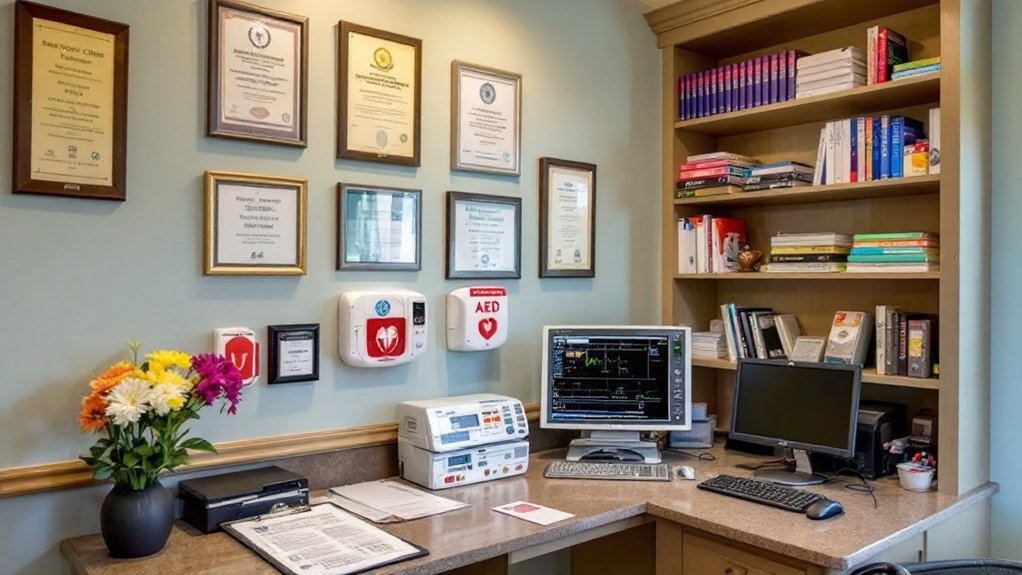
The facility should demonstrate a robust commitment to therapeutic programming and maintain certification requirements, including CPR and AED training for emergency response readiness. Staff members should also be well-versed in implementing 24/7 supervision protocols to ensure resident safety at all times. Observing how staff members display patience and compassion during interactions with residents can provide valuable insight into the quality of care provided. The staff should maintain clear communication channels with families to ensure ongoing collaboration in resident care decisions.
Essential Safety Features and Living Space Design
Beyond staffing considerations, the physical environment and safety infrastructure serve as foundational pillars in memory care communities, directly impacting residents' well-being and risk mitigation outcomes.
You'll want to evaluate facilities' secured entry/exit systems, including wander guard technologies and monitored access points, which form the primary defense against unsupervised departures. The implementation of trained staff members enhances security by providing vigilant monitoring of all entrances and exits. Specialized safety measures ensure that hazardous items like stoves and sharp objects remain secured and out of residents' reach.
When evaluating living spaces, prioritize communities featuring open floor plans with wheelchair-accessible doorways and thorough fall prevention measures, such as strategically placed handrails and walk-in showers. Clear visual signage throughout the facility helps residents navigate common areas independently and safely.
The integration of secure outdoor spaces, particularly enclosed courtyards with well-lit walking paths, provides essential access to nature while maintaining resident safety.
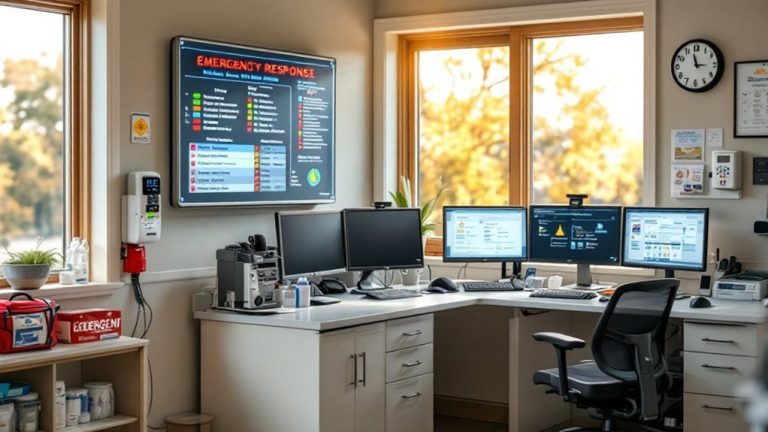
Verify that emergency response systems, including 24/7 monitoring and rapid-alert protocols, are actively maintained and regularly tested to guarantee ideal functionality.
Financial Planning and Cost Considerations

Understanding the financial landscape of memory care requires meticulous analysis, as costs typically exceed standard assisted living expenses by 20-30% and can range from $6,000 to $12,000+ monthly depending on geographical location and care requirements.
Early financial preparation allows families to assess their options and make clear decisions while their loved ones are still sound of mind.
You'll need to evaluate multiple funding streams, including long-term care insurance, VA benefits for veterans, and potential Medicaid eligibility if assets are depleted.
While Medicare won't cover long-term memory care costs, you can leverage personal assets, retirement accounts, or life insurance policies with accelerated death benefits.
Consider consulting a financial advisor who specializes in elder care to structure a sustainable payment strategy.
When analyzing facility costs, you'll need to factor in base rates for room and board, plus supplementary charges for specialized care services, therapeutic programs, and amenity packages that may notably impact your monthly expenditure.
Most communities include essential services like 24/7 supervision and assistance with daily activities in their base memory care rates.
Frequently Asked Questions
What Activities Are Available to Keep Residents Socially Engaged and Mentally Stimulated?
Memory care communities offer extensive activity programs integrating arts and crafts, music therapy, and storytelling for social engagement, while brain games, puzzles, and cognitive stimulation therapy strengthen mental acuity.
You'll find physical activities like yoga, tai chi, and walking groups that enhance cognitive function, plus specialized programs including museum visits, library outings, and themed celebrations that facilitate community integration and intellectual enrichment.
How Often Can Family Members Visit, and Are There Designated Visiting Hours?
Visiting policies vary considerably among memory care communities, with most facilities offering designated hours between 8 AM and 8 PM daily.
You'll need to verify specific protocols, as communities typically limit visitors to 1-2 people per resident and may require advance scheduling.
COVID-19 protocols have introduced additional restrictions, including health screenings and PPE requirements, while many facilities now incorporate virtual visitation options to maintain family connections.
What Is the Policy for Taking Residents on Outings or Family Trips?
Memory care communities typically facilitate supervised outings while prioritizing residents' safety through specific protocols.
You'll need to inquire about their policies regarding family-initiated trips, required notice periods, and staff accompaniment requirements.
Well-structured programs often include both community-organized events and family outings, with participation based on your loved one's cognitive status and physical capabilities.
Transportation arrangements and medical documentation may be necessary for private family excursions.
How Does the Community Handle Medical Emergencies and Hospital Transfers?
Inquire about the facility's thorough emergency response protocols, including their 24/7 medical staff coverage, established hospital transfer procedures, and emergency communication systems.
You'll want to verify they maintain detailed medical records, coordinate with local emergency services, and have formal relationships with nearby hospitals.
Additionally, confirm their staff receives ongoing emergency preparedness training and understands protocols for managing residents with dementia during medical crises.
Can Residents Bring Their Own Furniture and Personal Belongings From Home?
Most memory care communities allow you to bring personal furniture and belongings, subject to spatial constraints and safety protocols.
You'll need to coordinate with facility staff regarding size limitations, evacuation clearances, and specific restrictions on furniture types.
While facilities encourage bringing meaningful items that provide comfort and familiarity, they'll typically require items to be labeled, safely arranged, and limited to prevent excessive clutter or hazards.