

The Role of Care Plans in Memory Care: A Guide for Families
Memory care plans serve as structured frameworks that guide your family through the complexities of cognitive care, incorporating crucial components like systematic evaluations, SMART goals, and safety protocols. You'll need to implement personalized strategies across medical, emotional, and practical dimensions while adapting interventions for different stages of memory loss – from early cognitive support to late-stage monitoring. Understanding these extensive elements will reveal the essential tools for steering your loved one's journey.
Understanding the Vital Components of Memory Care Plans
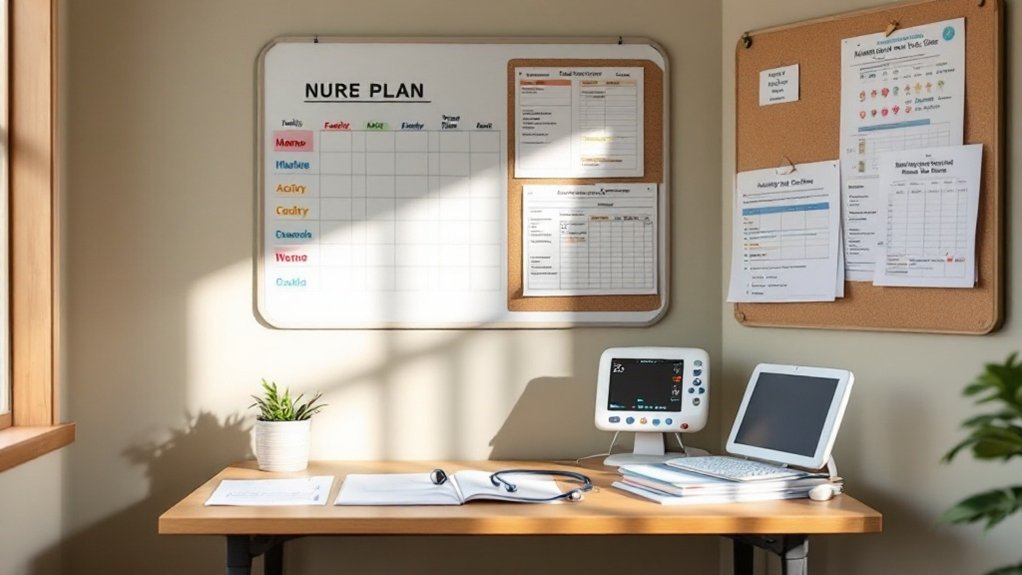
When developing thorough memory care plans, the systematic evaluation of five critical components establishes the foundation for effective dementia management and ideal patient outcomes.
You'll need to integrate extensive individual assessments, examining medical history, cognitive status, and physical capabilities while implementing SMART goals that align with the patient's evolving needs. Proper nutrition and meal planning plays a vital role in preventing weight loss and maintaining overall health in individuals with dementia. Having financial clarity through detailed budgeting and funding options ensures sustainable long-term care delivery.
The framework must incorporate robust support systems, including healthcare professionals and family networks, while establishing rigorous safety protocols through environmental modifications and emergency preparedness measures. Dedicated staff with specialized training provide round-the-clock supervision and assistance with daily living activities.
You'll maximize therapeutic outcomes by incorporating evidence-based cognitive enhancement strategies, including structured mental exercises and social engagement opportunities.
Regular evaluation of these components guarantees your care plan remains responsive to changing patient requirements, maintaining peak efficacy through continuous refinement and adaptation.
Maximizing Benefits Through Personalized Care Strategies
Through extensive implementation of personalized care strategies, memory care facilities can achieve demonstrable improvements in resident outcomes across multiple functional domains.
You'll find that tailored interventions targeting cognitive function, daily routines, and social engagement create measurable advances in resident independence and quality of life.
24-hour supervision by specially trained staff ensures residents receive consistent support while maintaining their safety and dignity.
Regular care plan reviews ensure interventions remain effective and appropriate as needs change.
The emphasis on person-centered philosophy ensures care plans are built around each resident's established lifetime routines and preferences.
Adapting Care Plans for Different Stages of Memory Loss

As memory care facilities navigate the complex progression of cognitive decline, implementing stage-specific care adaptations becomes essential for optimizing resident outcomes.
You'll need to understand how care requirements evolve from early-stage support, focusing on memory aids and cognitive stimulation, to middle-stage interventions requiring increased supervision and behavioral management protocols.
In late-stage care, you'll shift to intensive personal assistance and round-the-clock monitoring, while maintaining flexibility to address symptom variability.
Your care plan should incorporate lifestyle preferences and established routines, adapting to daily fluctuations in cognitive function while integrating appropriate safety measures.
Through continuous assessment and family involvement, you'll guarantee the care strategy evolves with your loved one's changing needs, from initial memory support through end-of-life planning.
Professional caregivers utilize dementia care mapping techniques to effectively observe and document changing needs throughout each stage.
Regular engagement in simple brain activities can help maintain cognitive function and slow decline during early stages of memory loss.
Selecting a facility with specialized staff training ensures proper management of dementia-related behaviors throughout all care stages.
Frequently Asked Questions
How Often Should Family Members Visit Residents in Memory Care Facilities?
You'll want to visit at least two to three times weekly during the initial change period, then adjust based on your loved one's individual needs and response patterns.
Consider maintaining consistent bi-weekly visits thereafter, supplemented with video calls between in-person interactions.
Factor in the resident's cognitive state, facility schedule, and your proximity, while prioritizing quality engagement over frequency.
What Items From Home Should Residents Bring to Their Memory Care Apartment?
When furnishing your memory care apartment, prioritize familiar comfort items, including personal bedding, cherished photographs, and meaningful keepsakes that trigger positive memories.
Essential furniture should include a bed, nightstand, small table with chairs, and compact storage solutions.
Don't forget daily necessities like clothing, toiletries, and medications, along with entertainment items such as a TV or music player to maintain routines and engagement.
Can Memory Care Residents Have Pets in Their Living Spaces?
Most memory care communities considerably restrict personal pets due to safety and care concerns, though policies vary by facility.
You'll typically find that therapy animals and scheduled pet visits are the primary options available, with 85% of communities offering structured pet therapy programs.
If you're considering a memory care facility that allows pets, you'll need to demonstrate your loved one's capability to care independently for the animal.
How Do Memory Care Facilities Handle Emergency Medical Situations at Night?
Memory care facilities employ extensive nighttime emergency protocols that include trained staff monitoring residents through automated systems and cameras.
You'll find facilities equipped with specialized medical equipment, redundant power systems, and clear communication channels with emergency services.
When medical emergencies occur, staff follow established response procedures, utilizing predictive interventions based on residents' conditions while maintaining detailed documentation for continuous improvement of emergency protocols.
What Happens if a Resident Runs Out of Money for Memory Care?
When you've depleted your financial resources for memory care, you'll need to explore Medicaid eligibility, as it's the primary safety net for long-term care expenses.
You'll require a thorough financial assessment to determine qualification for state-specific Medicaid programs, and you may need to transfer to a Medicaid-accepting facility.
Veterans benefits, long-term care insurance, and state-specific HCBS waivers can provide additional funding options.